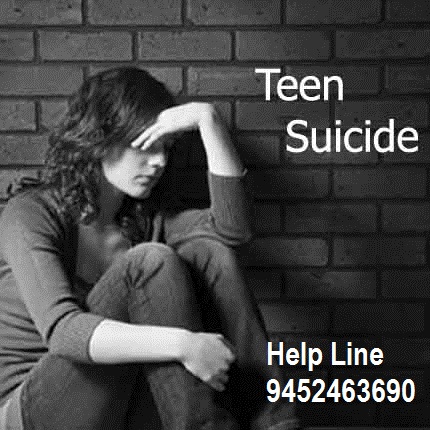
What Is Depression?
Depression is a state that affects a person's mind,
emotions, and body; it affects how you feel, think and behave.
When feelings of extreme sadness or despair last for two
weeks or more and begin to interfere with normal living, you may be a suffering
from a depressive disorder. Depression is not just "sadness,"
individuals who have depression feel helpless, hopeless and tend to blame
themselves for feeling this way. Some may even have thoughts of suicide or
death.
most people with depression feel better with medication,
psychological counseling or another form of treatment. Understanding the signs
and symptoms of depression can go a long way in finding the most effective
treatment option for you.
Signs and
Symptoms of Depression
The severity, frequency and duration of symptoms
will vary from person to person. However, there are some common signs and
symptoms across most types of depression such as:
- A persistent feeling of sadness, anxiousness or emptiness that you
just can't shake.
- Feelings of hopelessness and helplessness. A belief that nothing
will ever get better and there’s nothing you can do.
- Strong feelings of worthlessness or guilt or being overly
self-critical.
- Low tolerance for daily frustrations; generally irritable, restless
or agitated.
- A general loss in the ability to feel pleasure or joy; no longer
interested in former hobbies, pastimes, social activities or sex.
- Feeling physically drained or an overall sense of sluggishness.
Your whole body may feel heavy, and completing a small task seems
exhausting.
- Difficulty remembering details, making decisions or focusing on a
single activity or topic.
- Insomnia, early-morning wakefulness or oversleeping (also known as
hypersomnia).
- Overeating or loss of appetite resulting in significant weight gain
or loss.
- Thoughts of suicide, or suicide attempts.
- Persistent, unexplained aches and pains such as headaches, muscles
aches, cramps or digestive problems.
Treatment for
Depression
Depression,
even the most severe cases, typically responds very well to treatment. Many
individuals who seek treatment go on to lead healthy, productive lives. The
specific treatment approach used will depend on the type of depression, its
severity, and personal preferences. In general, most depressive disorders are
treated with psychotherapy or counseling, medication, or some combination of
the two.
Psychotherapy
There are two
main types of psychotherapy that have proven to be effective in treating
depression: cognitive–behavioral
therapy (CBT)
and interpersonal
therapy (IPT).
- Cognitive-behavior
therapy (CBT) focuses on helping people change negative styles of thinking
and behaving that may contribute to their depression and correcting or
re-purposing the thinking process toward a more positive response.
Interpersonal Therapy (IPT)
focuses on helping people understand and work through troubled personal
relationships that may cause their depression or make it worse.